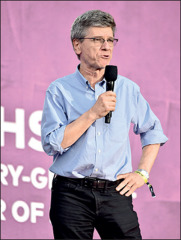
Global health thrives on fashion. During the era of the Millennium Development Goals (MDGs, 2000–15), that fashion was poverty. The manifesto for the MDGs was the Commission on Macroeconomics and Health, chaired by Jeff Sachs and published in 2001. The Commission concluded that “The linkages of health to poverty reduction and to long-term economic growth are powerful, much stronger than is generally understood.” Sachs argued that the poor were more susceptible to disease and less likely to seek medical care, even when that care was urgently needed. Poverty lay at the root of all evils. Attacking poverty was the path to development progress. The Commission proposed that defeating disease was central to eradicating extreme poverty. But although Sustainable Development Goal 1 reiterates the importance of ending poverty in all its forms everywhere, in health we no longer make poverty foundational to our concerns. Fashions have changed. Now we are mobilised by universal health coverage, global health security, and a climate emergency. These issues are rightly important. Perhaps the fact that since 1990 over 1 billion people have been taken out of extreme poverty means that global health activists see poverty as old news. Yet beating poverty remains a prerequisite for flourishing and sustainable lives. Disappointingly, global health and its leaders have judged poverty to be yesterday’s idea.