




Image credits: FDA
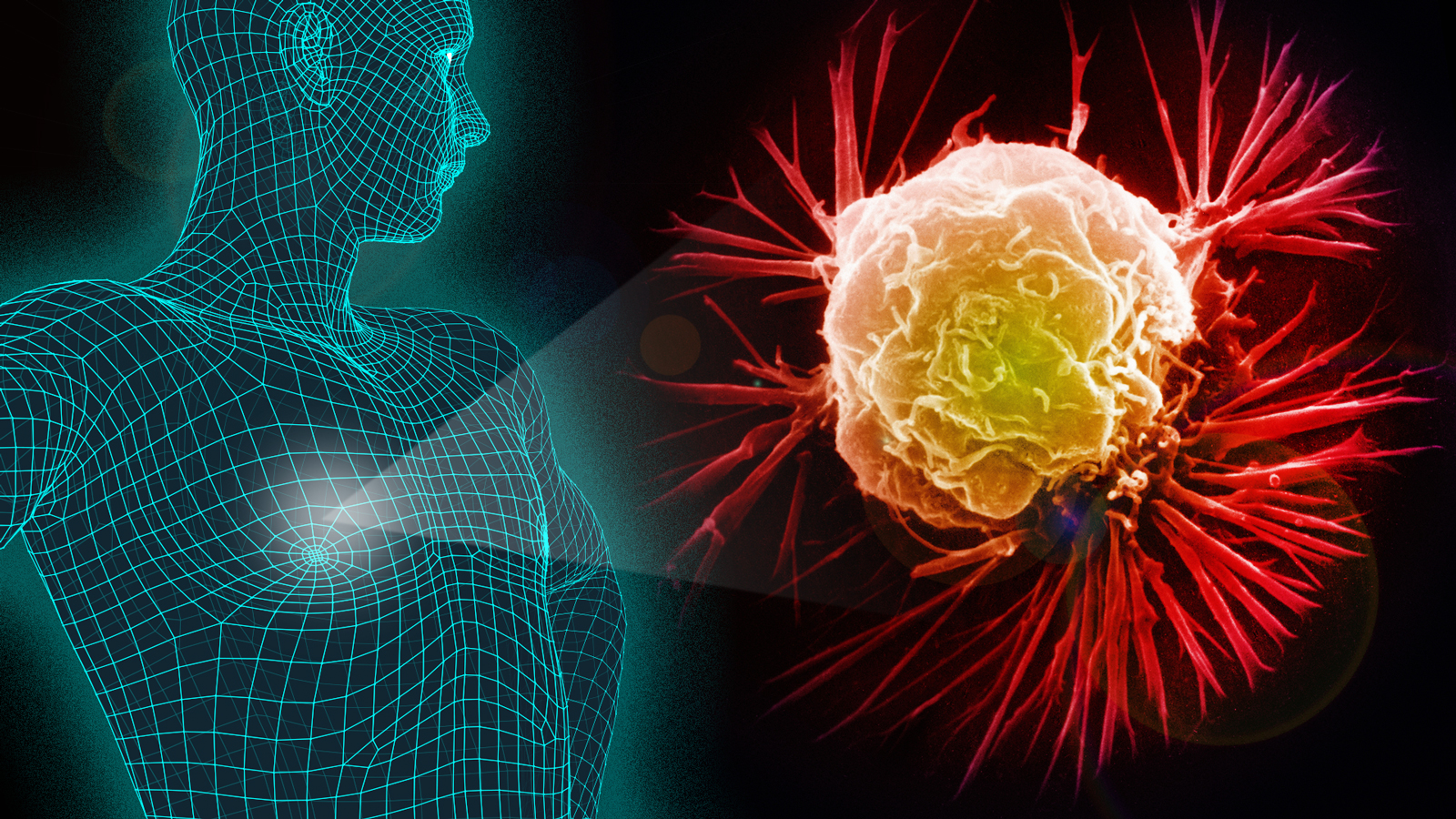
Cancer is when the abnormal cells of the body develop an uncontrolled growth and infiltrate into normal body tissues. These cells are called cancer cells, malignant cells or tumour cells. Cancer has over 100 types and each individual type is unique. One quarter of cancer diagnose are for people between the age of 65 and 74 and age is the biggest risk factor of cancer and the life expectancy of cancer patients who have undergone cancer treatment is not understood as people respond differently to treatment. Survival rates are based on studies of cancer patients during and after treatment. Survival of cancer after treatment may vary based on the following facts:
- Your type of cancer.
- The stage of your cancer when you were diagnosed.
- The traits of your cancer (such as cell types and growth traits).
- The treatment you received.
- Your unique physical and emotional health.
What are the common signs and symptoms of Cancer?
Signs and Symptoms of cancer may depend on the location and size of the cancer cells and the absence and presence of metastasis.
Symptoms and signs of cancer may include:
- Fever
- Pain
- Fatigue
- Skin changes (redness, sores that will not heal, jaundice, darkening)
- Unintended weight loss or weight gain
Other more obvious signs of cancer may include:
- Lumps or tumours (mass)
- Difficulty swallowing
- Changes or difficulties with bowel or bladder function
- Persistent cough or hoarseness
- Short of breath
- Chest pain
- Unexplained bleeding or discharge
What are the deadliest types of cancer?
- Lung and bronchial cancer: Lung and bronchial cancer: is the uppermost killer cancer. The smoking and use of tobacco products are the major cause of it, and it attacks the ages between 55 and 65. It has 2 main types: non-small cell lung cancer, the popular one, and small cell lung cancer, which spreads more quickly. More than 157,000 people are said to die of lung and bronchial cancer.
- Colon and rectal cancer: Colon cancer: develops in the tissues of the colon, whereas rectal cancer grows on the last inches of the colon near the anus. Most of the cases start as clusters of tiny, benign cells called polyps that become cancerous over time. A screening is suggested to locate the polyps before they are cancerous. Colorectal cancer is said to kill above 51,000.
- Breast cancer: Breast cancer: is the 2nd popular cancer in women, after skin cancer. It can also arise in men, there were close to 2,000 male cases between the year 2003 and 2008. The cancer is formed in the vessels that carry milk to the nipple or glands that make the milk in women. Close to 40,000 people are likely to die from breast cancer.
- Pancreatic cancer: Pancreatic cancer: is activated in the tissues of the pancreas, which helps the regulation of digestion and metabolism. Early mediation and detection are difficult because it often progresses silently and fast. Pancreatic cancer is expected to take nearly 37,000.
- Prostate cancer: is the 2nd cause of deaths in men, after lung and bronchial cancer. It usually starts growing slowly in the prostate gland, which produces seminal fluids to transport sperms. Some types remain kept to the gland, and are easier to treat, but others are more aggressive and spread quickly. Prostate cancer is anticipated to kill about 32,000.
What causes cancer?
A number of factors can cause gene mutations, such as smoking, radiation, viruses, cancer-causing chemicals (carcinogens), obesity, hormones, chronic inflammation and a lack of exercise Some causes of cancer are however preventable such as excess body weight, physical inactivity, poor nutrition, heavy alcohol consumption and smoking especially of tobacco. However, other causes of cancer are not preventable for example age. According to the American Cancer Society, doctors in the U.S. diagnose 87 percent of cancer cases in people ages 50 years or older. Genetic factors may contribute to the development of cancer. Changes in a person’s genes can lead to faulty commands, and cancer can result. People may inherit a predisposition for a type of cancer. Doctors may refer to this as a hereditary cancer syndrome. Inherited genetic mutations significantly contribute to the development of 5–10 percent of cancer.
Which treatments are available for cancer?
Innovative research has fuelled the development of new medications and treatment technologies. Some available treatments for cancer are the following:
- Chemotherapy aims at killing cancerous cells with medications that target rapidly dividing cells. The drugs can also help shrink tumours, but the side effects may be severe.
- Hormone therapy involves taking medications that change the way certain hormones work or interfere with the body’s ability to produce them. This is a common approach, when hormones play a significant role, for example with prostate and breast cancers.
- Immunotherapy uses medications and other treatments to boost the immune system and encourage it to fight cancerous cells. Examples of these treatments include checkpoint inhibitors and adoptive cell transfer.
- Precision medicine, or personalized medicine, is a newer, developing approach. It involves using genetic testing to determine the best treatments for a person’s particular presentation of cancer. Researchers are yet to show if it can effectively treat all types of cancer.
- Radiation therapy uses high-dose radiation to kill cancerous cells. Also, a doctor may recommend using radiation to shrink a tumor before surgery or reduce tumour-related symptoms.
- Stem cell transplant may be especially beneficial for people who have blood-related cancers, such as Leukaemia or lymphoma. It involves removing cells, such as red or white blood cells, that chemotherapy or radiation has destroyed. Lab technicians then strengthen the cells and put them back into the body.
- Surgery is often a part of a treatment plan when a person has a cancerous tumour. Also, a surgeon may remove lymph nodes to reduce or prevent the disease’s spread.
- Targeted therapies perform functions within cancerous cells to prevent them from multiplying. They can also boost the immune system. Two examples of these therapies are small-molecule drugs and monoclonal antibodies.
Doctors will often employ more than one type of treatment to maximize effectiveness. Some people with cancer will have only one treatment. But most people have a combination of treatments, such as surgery with chemotherapy and/or radiation therapy. You may also have immunotherapy, targeted therapy, or hormone therapy. Clinical trials might also be an option for you.